Clay art crafted from natural materials (prākrutik vastūon se miṭṭī kalā) represents one of humanity’s oldest, most expressive, and deeply sustainable creative traditions. Formed by blending raw earth, water, and natural elements, this art form goes beyond mere decoration—it embodies a lifestyle rooted in harmony with nature, cultural preservation, and environmental responsibility.
1. A Direct Connection to Nature and Earth Elements
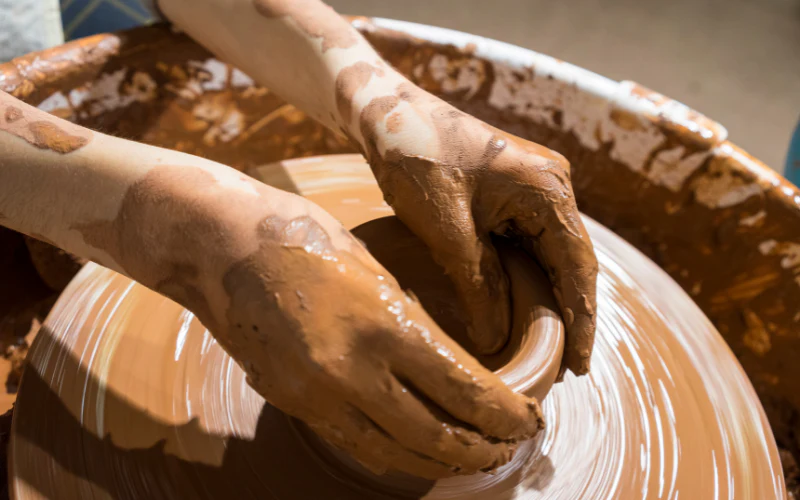
At its core, natural clay art utilizes the fundamental elements of life: earth, water, air, and fire. Unlike synthetic crafts that rely on chemical polymers or plastics, natural clay art uses organic, untreated soil directly sourced from riverbanks and lakesides. Working with these natural materials fosters a tactile connection to the earth, reminding us of our intrinsic bond with the natural ecosystem and promoting a grounded, mindful way of living.
2. Environmental Sustainability and Zero-Waste Living
Fully Biodegradable: Artworks created purely from unglazed or naturally glazed clay leave zero toxic waste behind. When broken or discarded, they decompose naturally and reintegrate back into the soil without releasing harmful microplastics or chemical residues.
Low Carbon Footprint: The processing of natural clay relies on traditional manual techniques—shaping by hand or on a potter's wheel—and air-drying, significantly reducing energy consumption compared to industrial mass manufacturing.
3. Therapeutic and Mental Health Benefits
Engaging with natural clay serves as an effective form of tactile art therapy. The sensory experience of kneading, shaping, and molding raw earth engages the mind in active focus, reducing stress and anxiety. The rhythmic movement required on a potter's wheel acts as a meditative exercise, promoting emotional regulation and enhancing creative mindfulness.
4. Preservation of Cultural Heritage and Artisanal Crafts
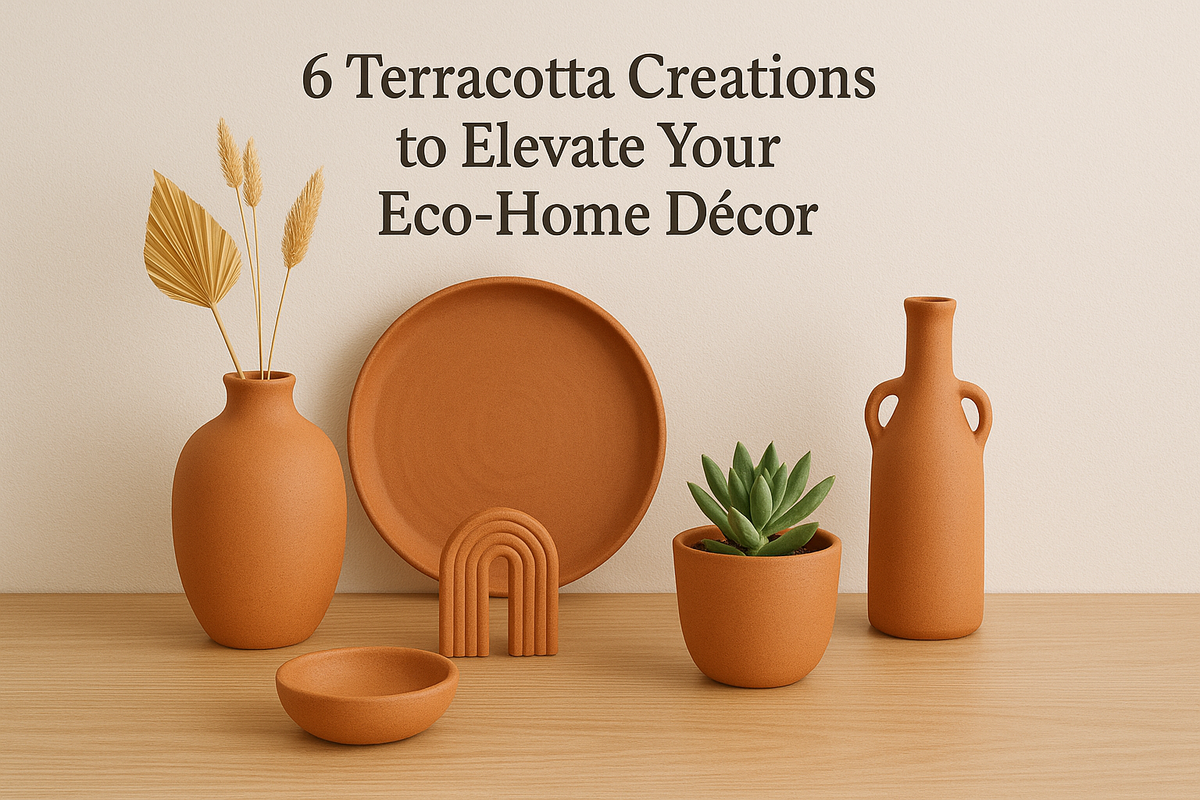
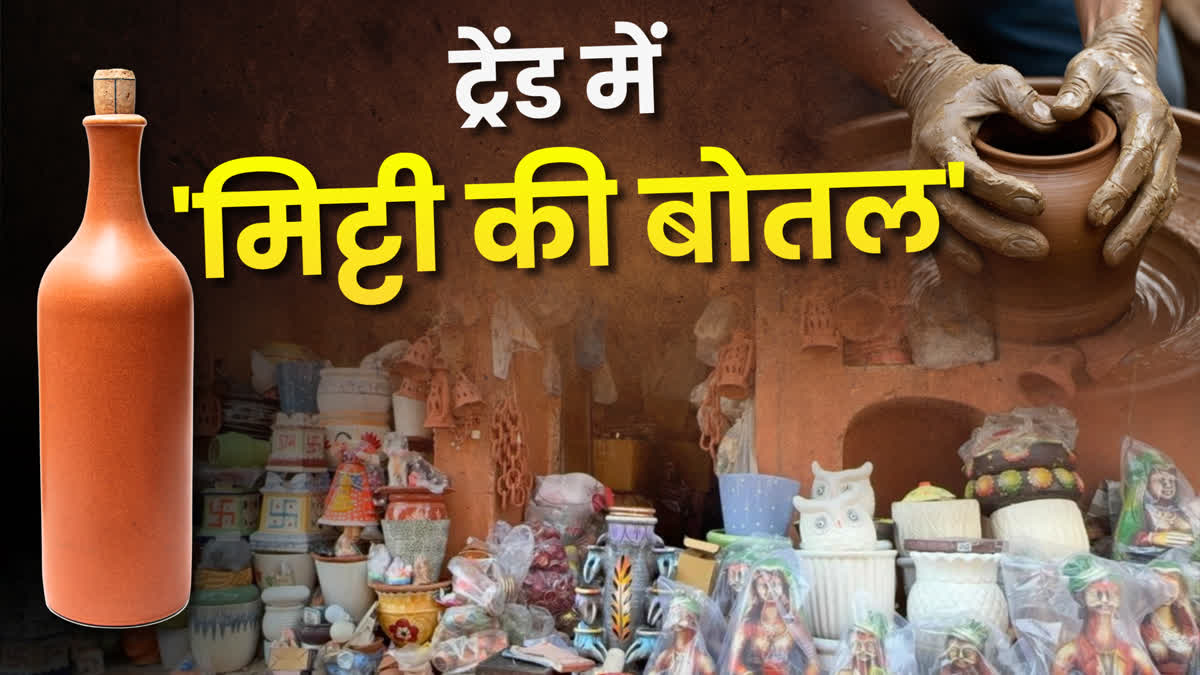
Natural clay art keeps centuries-old indigenous techniques alive. From intricate terracotta sculptures and traditional pottery to rustic wall murals and home decor, clay art carries forward the cultural stories, folklore, and artistic wisdom of generations. Supporting this art form sustains local craft communities, preserves traditional knowledge systems, and empowers rural artisans financially.
5. Healthier, Non-Toxic Home Environments
Integrating natural clay art and terracotta decor into living spaces improves indoor air quality. Natural clay is inherently porous and non-toxic, free from volatile organic compounds (VOCs) found in synthetic decorative paints and plastics. It offers a safe, aesthetic, and eco-conscious way to elevate modern interior design.
By embracing clay art made from natural materials, we choose a sustainable future that honors art, respects ecology, and keeps traditional heritage thriving in today's world.